





Sara Zahoor ’26
Features Editor
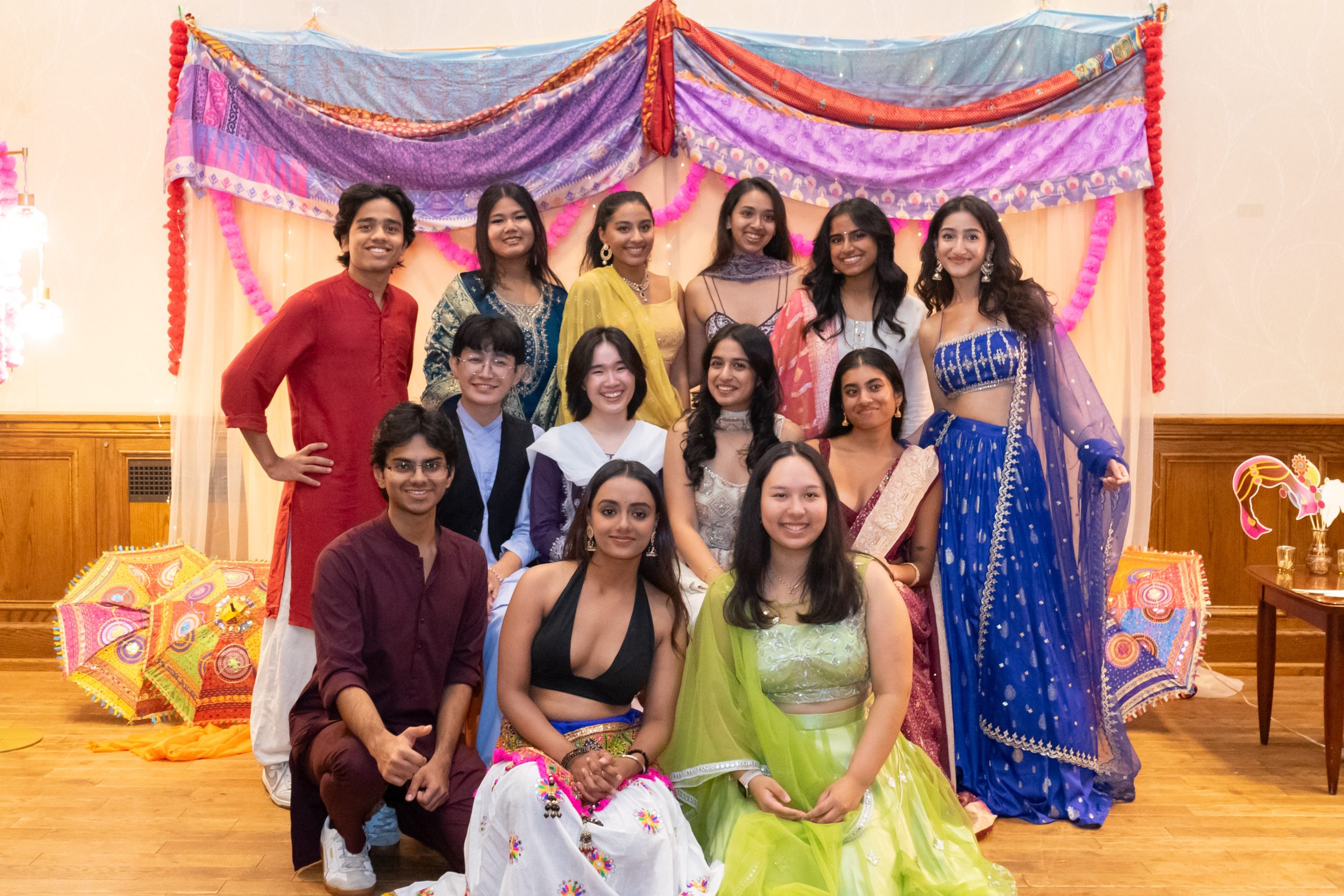
The South Asian Student Association (SASA) at Trinity College transformed the Washington Room into a space of light, color and community during this year’s Diwali celebration. Established in 2020, SASA is still a relatively new organization, but its Diwali festivities have quickly grown into one of the most anticipated cultural events on campus. This year’s celebration, led by co-presidents Navya Arora ’26 and Huang Xinlei ’26, reflected months of planning and an intention to make everyone — especially those celebrating away from home — feel welcomed and seen. At the heart of the organization’s work is its commitment to cultural expression and inclusion, something showcased during this year’s Diwali celebration, a vibrant evening of light, music and community.
In past years, SASA’s Diwali celebrations focused primarily on food and socializing. This year, the organization added new layers of cultural and spiritual depth. For the second year in a row, SASA hosted a Diwali Pooja — a traditional Hindu prayer ceremony — an idea that grew from Arora’s personal gatherings in her dorm room. “I used to hold small prayers in my room and my friends would come,” she explained. “It inspired us to make that a part of Diwali at Trinity.”
SASA is also working hard, with help from the Office of Spiritual Life, to include a priest for Hindu students on campus. “We wanted to give Hindu students on campus a religious space to worship, just like other faith communities have,” Huang said, referencing Jummah prayers held by the Muslim Student Alliance and Sunday services in the chapel.
The event also highlighted SASA’s commitment to representing the diversity of South Asia beyond just one culture or religion. “We know SASA can sometimes seem Hindu-focused,” Xinlei said, “so we make sure our e-board reflects a mix of perspectives. We include different cuisines, celebrate events like Chaand Raat and Holi, and we’re working toward adding Bengali and Nepali New Year Celebrations.” Xinlei, who is Pakistani-Chinese, said that joining SASA helped her explore and embrace her cultural roots. “I wasn’t sure whether to join AASA or SASA at first,” she shared. “But being here helped me connect with my South Asian side and gave me space to be proud of who I am.” Navya, who has been part of SASA since her first year, echoed that sentiment. “Leading this organization has taught me so much about teamwork and other peoples’ culture,” she said. “Even as someone from India, I’ve learned about other South Asian cultures through our members.”
One of the most memorable moments for both co-presidents came during the eboard’s dance to the hit Bollywood song, “Om Shanti Om.” “We spent so long working on this event and being on stage together, seeing it all come together — it was so satisfying,” Navya recalled. “It made me think about the power of friendship.” For Huang, the reactions from the audience were equally rewarding. “Everyone was laughing along with the MC, Sabin Limbu ’27, cheering during performances — it felt like the whole room was connected,” she said. For both co-presidents, SASA is more than an organization; it’s a reflection of identity and growth.
As the night ended, both leaders reflected on how SASA has shaped their college experiences. “These cultural organizations bring color to campus life,” Huang said. “They give people a space to belong.” Navya agreed, adding, “Hosting Diwali is about more than celebration. It’s about creating a home for South Asians on campus and a space for everyone to learn, connect and share in that light.”

+ There are no comments
Add yours