Sajja Ranjit ’29
Executive Features Editor
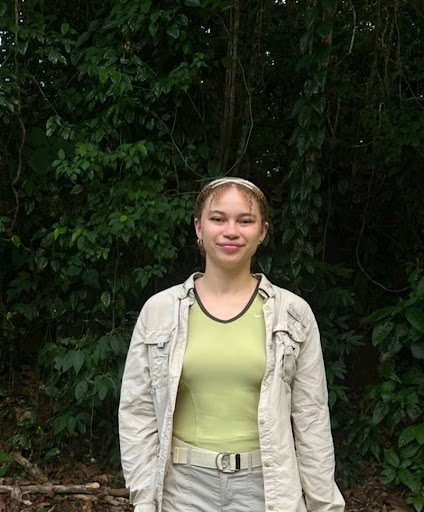
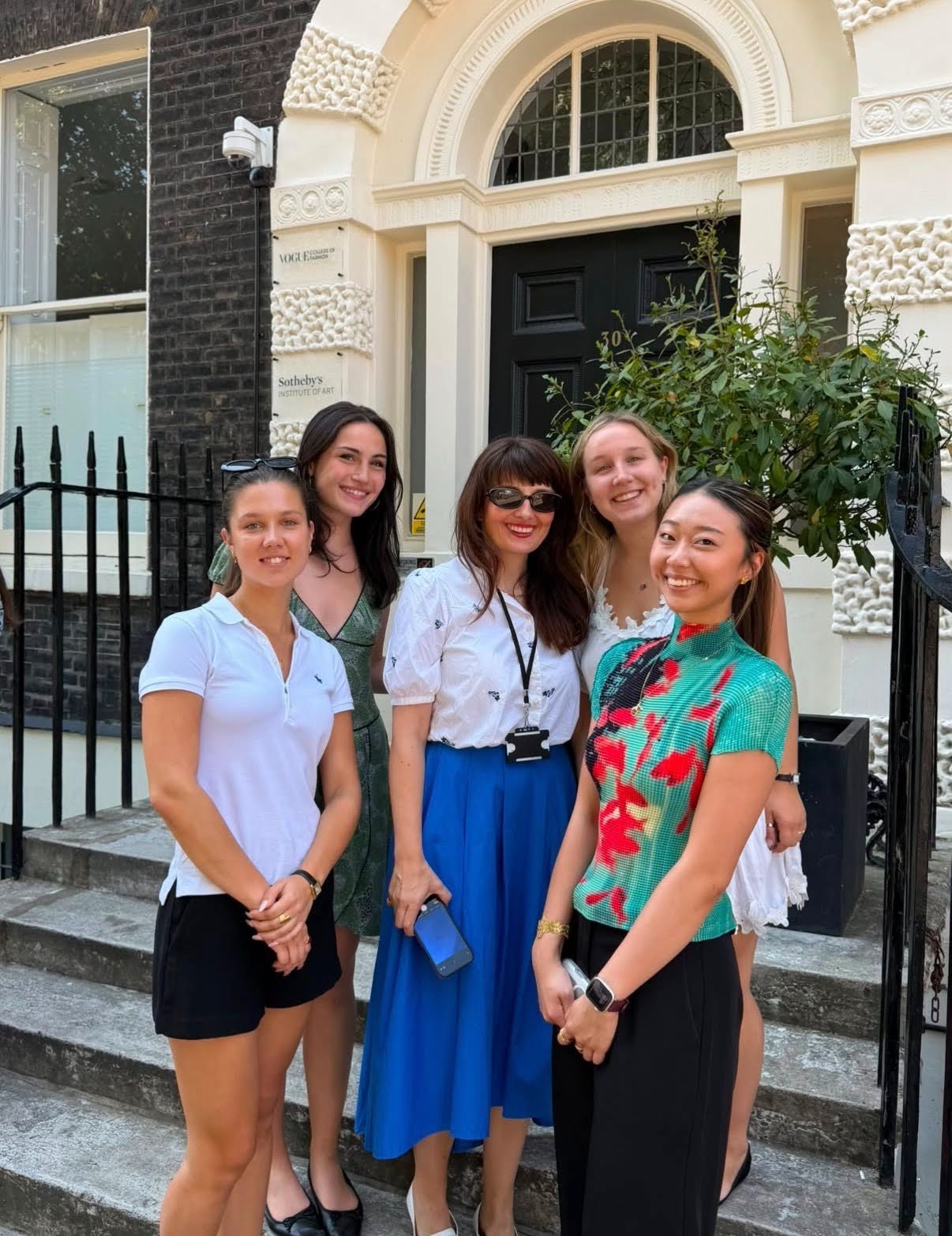
What does it take to put a price on a piece of art? For Caroline Wiffler ’26, that question became much more complicated this summer when she travelled to London to participate in Sotheby’s Institute of Art’s Global Art Markets Program.
As a history major interested in art history, Wiffler stated that the opportunity was passed along to her from her advisor, and although she had a basic understanding of auctions, she was going into the program with no idea what to expect.
“I was sort of going into it blind for the most part.” Wiffler told the Tripod. “The valuation part of it all made sense, but it was very interesting to find out just how complex it can get.”
The Global Art Markets course combined classroom learning with experiences throughout London. Students learned about the different people and institutions that make up the art market, including dealers, collectors, museums and more. They also examined the complicated process of determining how much a piece of art is worth.
Rather than spending the entire program inside a classroom, students regularly visited museums, galleries and other art spaces throughout the city. “Every day we went out and saw different spaces like museums and exhibits,” Wiffler stated. “The [instructors] really encouraged us to get out of the classroom.”
Among the places she visited were the National Gallery, Tate Modern, the British museum, the Treasure House Art Fair and Sotheby’s auction house. One of her favorite experiences was visiting a special exhibition of Francisco de Zurbarán. “It was gorgeous. I thought it was amazing. As a part of the course we had to do exhibition reviews and that one [Zurbarán Exhibition] I was by far taken by” Wiffler said.
One of the most memorable experiences, however, came at Sotheby’s itself. Wiffler had the opportunity to observe an auction while it was taking place, giving her a firsthand look at the fast paced environment of the auction house. “I think that was my favorite thing,” she said. “It was almost like a performance.” She described watching employees take calls, communicating with clients and following the auction all with a smile on their faces. “It was like a horse race or something,” she said.
The experience also changed the way Wiffler thought about how art is valued. An artist’s reputation, previous sales, provenance, collector interest and cultural contexts can all influence its value. “Reputation does sort of dictate the majority of how things go, but being in certain subsections definitely matters,” Wiffler said. “Old masters, for example, is before impressionism and there’s a limited number of paintings that are available from that period so they’re going to be expensive because there is so little supply.”
The course also introduced Wiffler to topics that she had not expected to encounter, including debates surrounding the repatriation of cultural objects. With the British Museum located directly across from the program’s school, discussions about the museum’s collections became an especially relevant part of the course.
For Wiffler, one of the most valuable parts of the experience was the opportunity to connect what she was learning in class with what she was seeing around her. Her previous history courses at Trinity helped provide a foundation for some of the material, but the program encouraged her to think differently about how she approaches learning: “The answer isn’t always going to be in your book,” she said. “It’s going to be in the process of seeking out answers.”
She hopes to bring that mindset back to Trinity, particularly by looking for connections between her coursework and experiences outside the classroom. The program has also encouraged her to think more seriously about possibilities within the art world, including the potential of pursuing museum studies in the future.
Ultimately though, the summer was about more than exploring a possible career. For Wiffler, it was an opportunity to experience a new city, discover new interests, and learn outside of the traditional classroom. “I felt like the world was very much my oyster,” she said.
For students considering a similar opportunity, Wiffler strongly encourages them to take advantage of it. “I would absolutely encourage it,” she said, especially for students interested in art, art history, museums, or careers in the arts. “You’re learning a lot and you’re also having so much fun by doing things that are so new and fresh.”