Sajja Ranjit ’29
Executive Features Editor
For roughly 60 Trinity students, sorority recruitment offered an opportunity to meet new people, explore shared values and find a community on campus. Taking place from Sept. 17 to Sept. 20, the process brought students together through conversations about sisterhood, philanthropy and financial commitments.
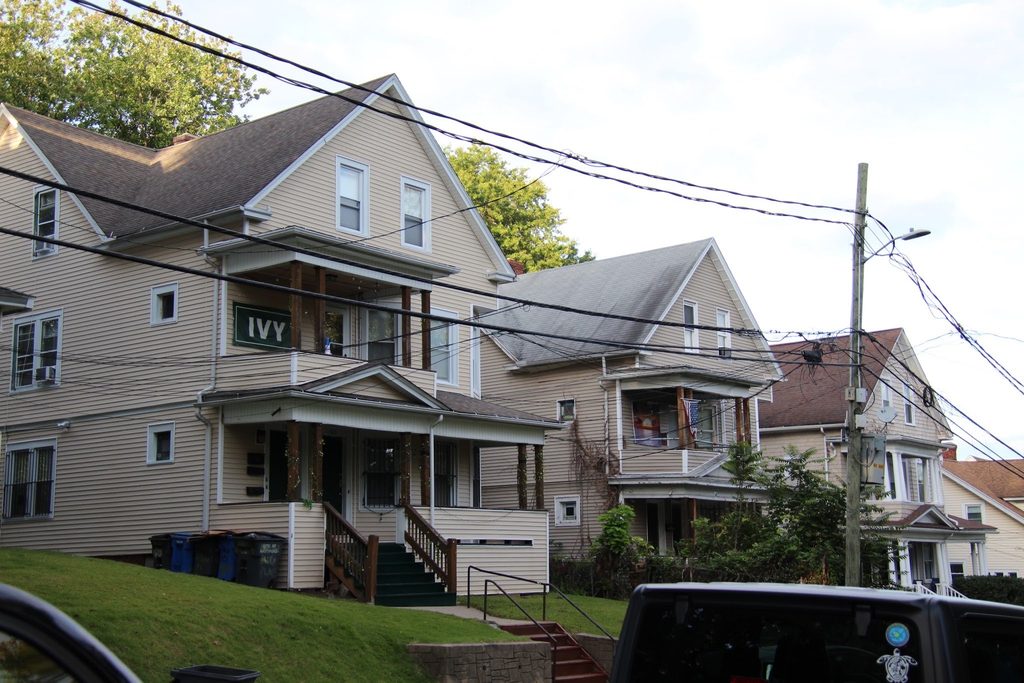
Trinity’s Panhellenic community includes four organizations: Alpha Chi Omega, Kappa Kappa Gamma, the Ivy Society and the Stella Society. Following recruitment, Alpha Chi Omega welcomed nine new members, The Ivy Society welcomed thirteen new members, and the Stella Society welcomed eleven. The number of new members joining Kappa Kappa Gamma was not available at the time of publication.
The recruitment process is structured to allow potential new members, or PNMs, to learn about the different organizations and their values before making a decision about membership.
Trinity’s primary recruitment process includes four stages: philanthropy and financial, sisterhood, preference and Bid Day. During the first round, PNMs learn about each chapter’s philanthropy, values and financial expectations. They then select chapters they would like to revisit.
Although recruitment is often viewed as a process in which students decide which sorority they want to join, selection works both ways: PNMs choose which chapters they choose to revisit, while sororities determine which PNMs they invite to continue through the process.
The mutual selection process continues throughout recruitment. By the final preference round, PNMs consider which chapters they would be willing to join, while sororities determine which students they may offer bids to. Students who accept a bid through the process agree to join the chapter they are matched with under the terms of the Membership Recruitment Acceptance Binding Agreement, or MRABA. Declining a bid from a chapter listed on the agreement may make a student ineligible to join another organization until the next primary recruitment period.
According to Michael Bodnarik, Trinity’s Director of Student Leadership and Engagement and Greek Life, mutual selection is a process to match students into an organization where they feel supported.
“I want the community to know that Sorority Recruitment Process is a mutual selection process with the goal of placing the most women in the most Sorority,” Bodnarik wrote in a statement over email to the Tripod.
Bodnarik identified several concerns students commonly have during recruitment, including the financial and time commitments, not receiving an invitation from their preferred sorority and the possibility of friendships or friend groups changing.
The financial commitment varies considerably between organizations. According to Trinity’s 2026 recruitment guide, Alpha Chi Omega lists approximately $695 in new member dues and $520 in subsequent dues. Kappa Kappa Gamma lists approximately $1,102 for new members and $677 afterward. The Ivy Society lists approximately $1,000 for new members and $850 afterward, while the Stella Society lists approximately $500 and $450, respectively. These amounts may create different barriers to participation depending on a student’s financial circumstances.
Among the student body, numerous concerns about the recruitment process have surfaced in anonymous student discussions on platforms such as YikYak. Some comments raised discussion about the lack of diversity within Greek life and alleged “dirty rushing” a term generally used to describe recruitment practices that violate established rules or provide certain PNMs with an unfair advantage. The Tripod could not independently verify these anonymous claims and the comments do not establish that violations occurred.
Trinity’s recruitment materials emphasize that students should be treated as individuals, given accurate information and be allowed to ask questions. The PNM Bill of Rights also states that students should be able to make their own decisions and experience a safe recruitment process.
Maddi Petrow ’27, Panhellenic Vice President of Recruitment, emphasized respect and authenticity as important parts of the process.
“I think success in the Greek Life process is when our PNMs give the process an honest chance, feel comfortable being themselves in every conversation and end up in a chapter where they feel they belong,” Petrow wrote in a statement over email to the Tripod. She added that chapters should represent their values and treat every PNM with respect, regardless of whether the student ultimately joins their organization.
In response to past participant feedback, the Panhellenic Council has made several changes to recruitment in recent years. These include additional coffee chats, in person and virtual information sessions as well as an accommodation process for students who cannot attend every recruitment event. This year, Panhellenic also shortened recruitment by one day following feedback from participating sororities and previous participants.
Students must be at least sophomores to participate in formal Greek recruitment at Trinity. The policy dates back to a 1949 decision and is intended to give students time to adjust to college and their academic coursework before joining an organization. Current requirements also include a minimum 3.0 semester or cumulative GPA at the time of application, not being on academic probation or censure as well as completing anti-hazing Title IX and Career and Life Design programming.
Greek life organizations also exist outside of Panhellenic recruitment. The College’s National Panhellenic Council (NPHC) organizations, including the Alpha Kappa Alpha Sorority and Sigma Gamma Rho Sorority, hold their own informational sessions during the fall and do not participate in the primary Panhellenic process. These organizations provide additional opportunities for students interested in Greek life to learn about different communities on campus.
For Petrow, the values behind Greek life recruitment are connected to the history of sororities at Trinity. Women were first admitted to the College in 1969 and the first all-women’s sorority, Kappa Alpha Phi, opened in 1980. Petrow referenced the organization’s early emphasis on mutual support and friendship, writing that these principles continue to guide recruitment today.
While recruitment determines which students join each organization, the process also reflects broader questions about belonging and community at Trinity. As Greek life continues to evolve, student experiences and feedback may help shape how recruitment develops in the years ahead.